
Static Seals for Industrial Assemblies
Specify the Seal Around the Application
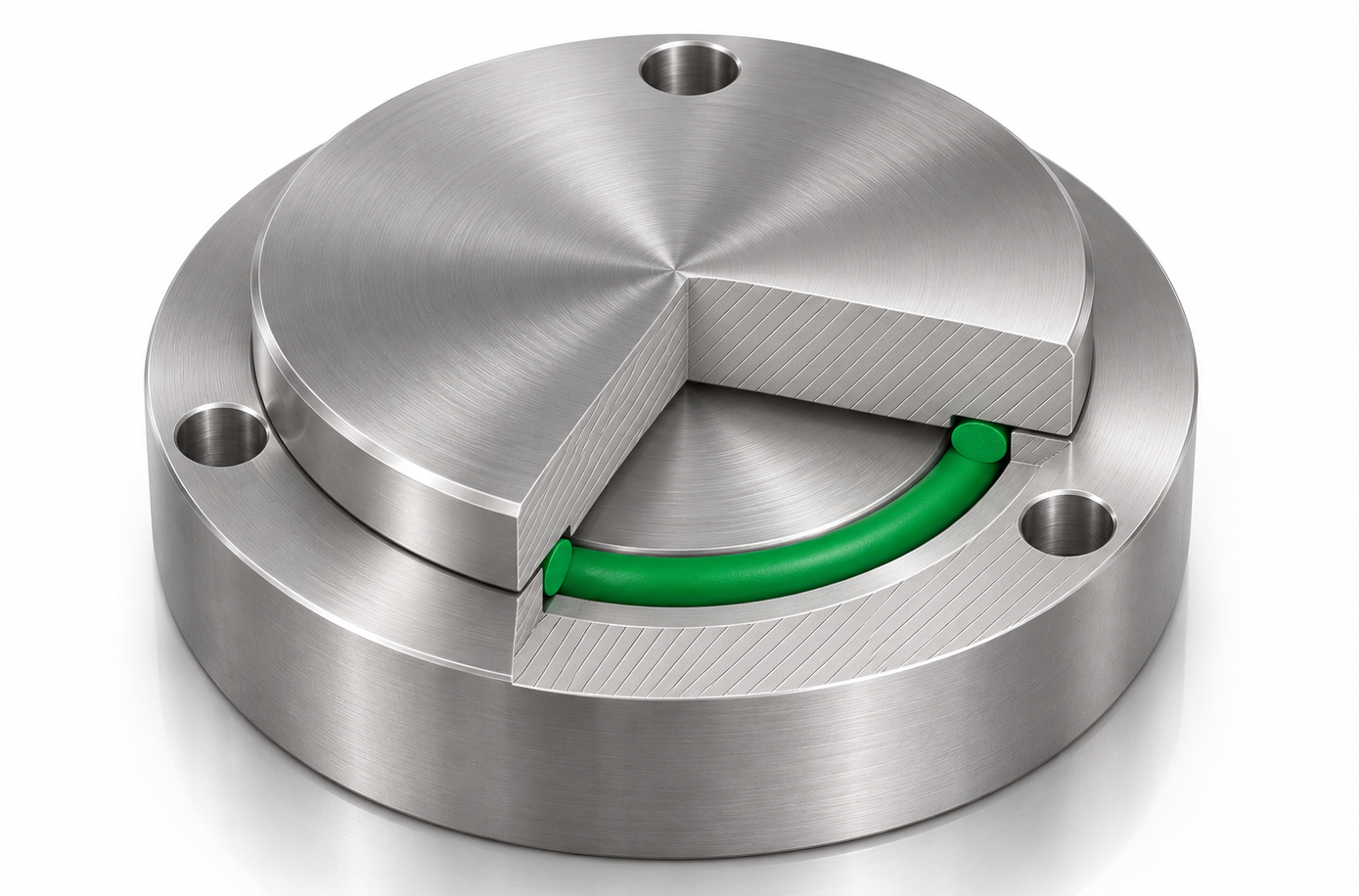
A Better Seal Starts With the Assembly
The right O-ring is only part of a reliable static seal. Groove dimensions, mating surfaces, and operating conditions all influence how it performs.
Finn Global Supply helps you review the details before you order. Send our team your drawing, part number, or application requirements to discuss material options and fit.
Call Us Now – 714-329-7686
A stationary connection still needs a carefully specified seal. Static seals work between surfaces that remain fixed relative to each other during normal operation. Covers, housings, flanges, and fluid connections each bring different requirements for fit, material, and assembly.
Finn Global Supply helps OEMs, maintenance teams, and purchasing departments bring those requirements together. Whether you have a drawing, an existing part number, or a replacement sample, we can review the details and discuss suitable supply options.
Our approach starts with the complete assembly: what the seal contacts, how the parts close, and what happens during service.
Static Sealing Solutions: Start With the Connection
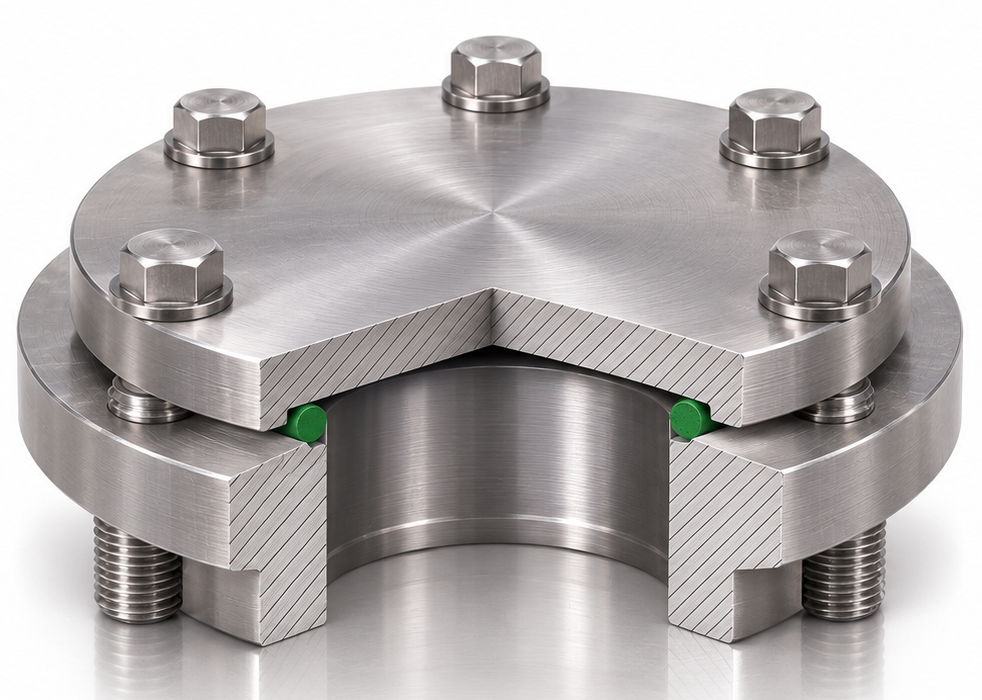
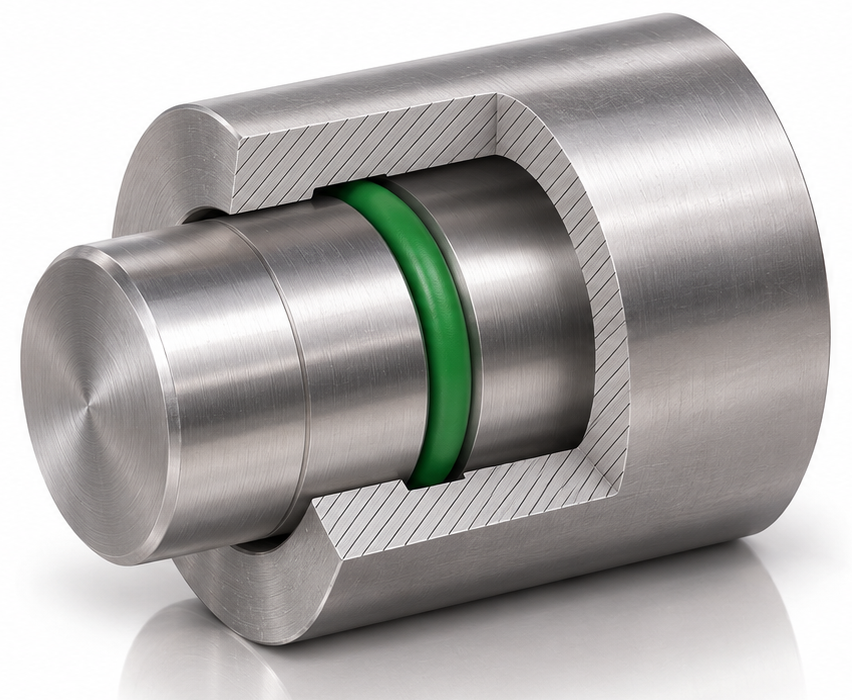
Before selecting a part, identify the surfaces that form the sealing joint. A ring compressed between two flange faces has a different arrangement from one sealing between a housing bore and an inserted fitting.
Include the groove drawing, mating-part dimensions, and pressure direction in your inquiry. These details help establish how the seal is supported and compressed.
| Connection | Information to include |
|---|---|
| Cover or flange | Groove dimensions, mating-face condition, and how the parts are secured. |
| Housing or fitting | Bore and fitting dimensions, clearance, and installation access. |
| Existing equipment | Original part number, equipment reference, and photos of the sealing location. |
| Custom assembly | Current drawing revision, operating conditions, and required quantities. |
Face Seal
Radial Seal
Static O-Ring Seals and Supporting Components
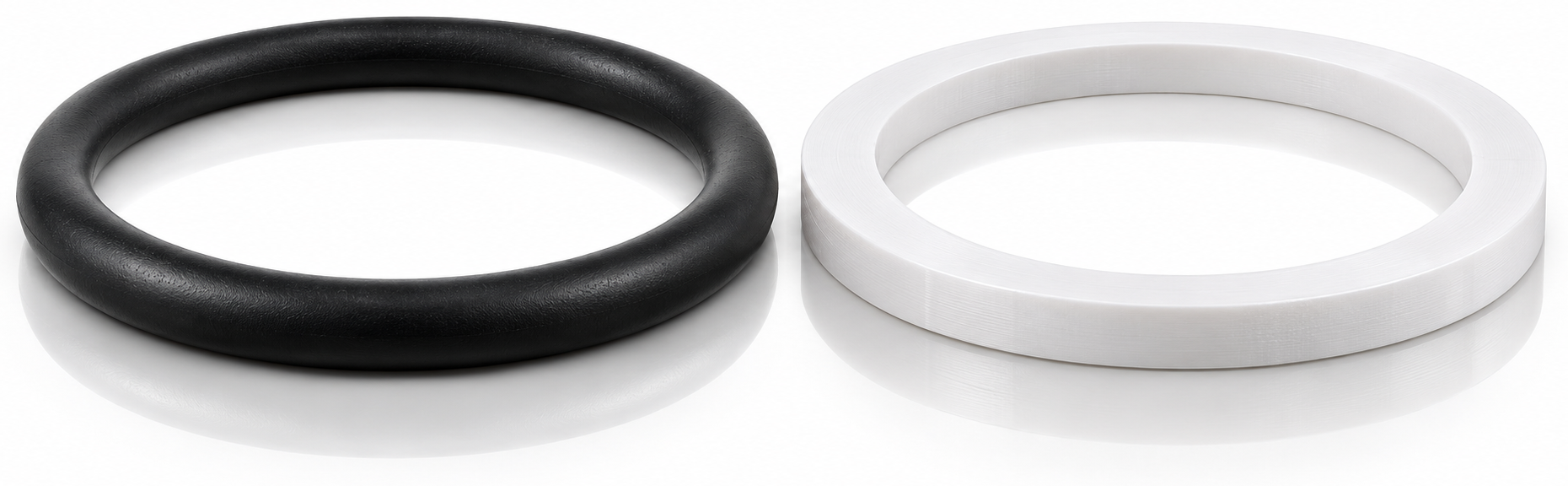
Static O-ring seals are a practical starting point for many industrial connections. The ring’s size and compound must suit both the gland and the operating environment.
Explore our Industrial O-Rings page for material families, standard sizes, and specialty constructions.
Where extrusion is a concern, O-ring backup rings may provide additional support beside the sealing element. They support the O-ring at the clearance gap; they do not replace its sealing function. www.trelleborg.com
For other profiles or drawing-defined components, send FGS the specification so we can discuss the required construction and availability.
Seal Material Selection: Review the Full Service Cycle
Start with the fluid or gas that contacts the seal. Then include operating temperatures, cleaning agents, and any exposure during maintenance or shutdown.
For seal material selection, provide:
- Process media and concentration, where relevant.
- Minimum and maximum temperatures.
- Normal pressure, pressure peaks, and pressure reversals.
- Required compound, hardness, or approved material reference.
- - Documentation and traceability requirements.
A material family alone does not define a finished part’s suitability. Keep the exact compound reference on drawing-controlled inquiries. Finn’s O-Ring Size Charts & Material Specifications page explains the information needed to identify and specify the ring.
Groove Fit, Compression & Clearance
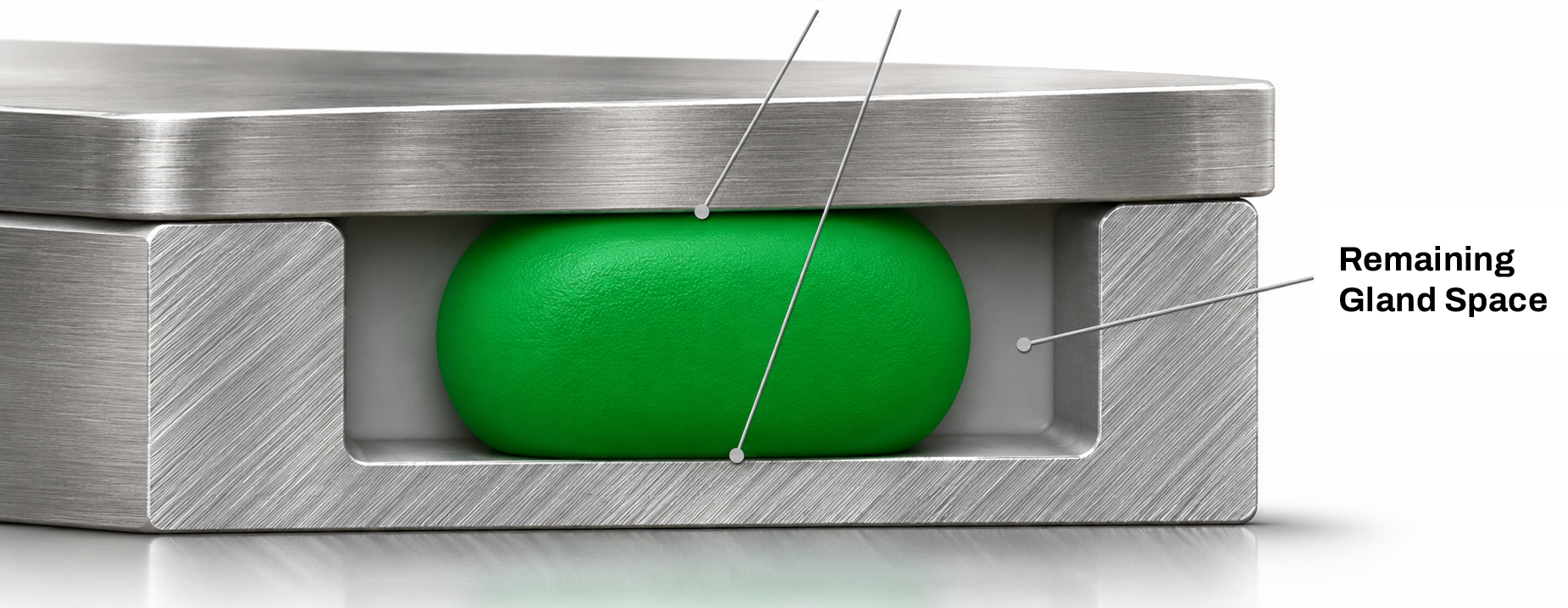
The gland controls how the seal fits once the mating parts come together. Review assembled depth, groove width, tolerances, and clearance alongside the ring dimensions.
Surface condition also matters. Scratches, damaged edges, or unsuitable finishes can affect sealing contact or damage the ring during installation. Static gland design requires these details to be considered together.
Use our O-Ring Gland & Groove Design Guide for a closer look at squeeze, stretch, groove fill, and installation.
Sealing Contact
Replacing a Static Seal? Include What Changed
For replacement inquiries, tell us whether the assembly previously operated successfully. Note any recent changes to the fluid, temperature, pressure, cleaning procedure, or replacement part.
Photograph the removed seal and the sealing surfaces before discarding them. Include visible swelling, flattening, cuts, or missing material. These observations provide useful context for the review.
If identification is uncertain, send the equipment model, approximate dimensions, and any available part reference.
Request a Static Seal Review
Send your drawing or existing part number to Finn. Include the operating media, temperature range, pressure, and quantity required.
For a new assembly or a recurring sealing problem, our Engineering Seal Design team can help identify what needs to be confirmed before ordering.
Call Us Now – 714-329-7686